
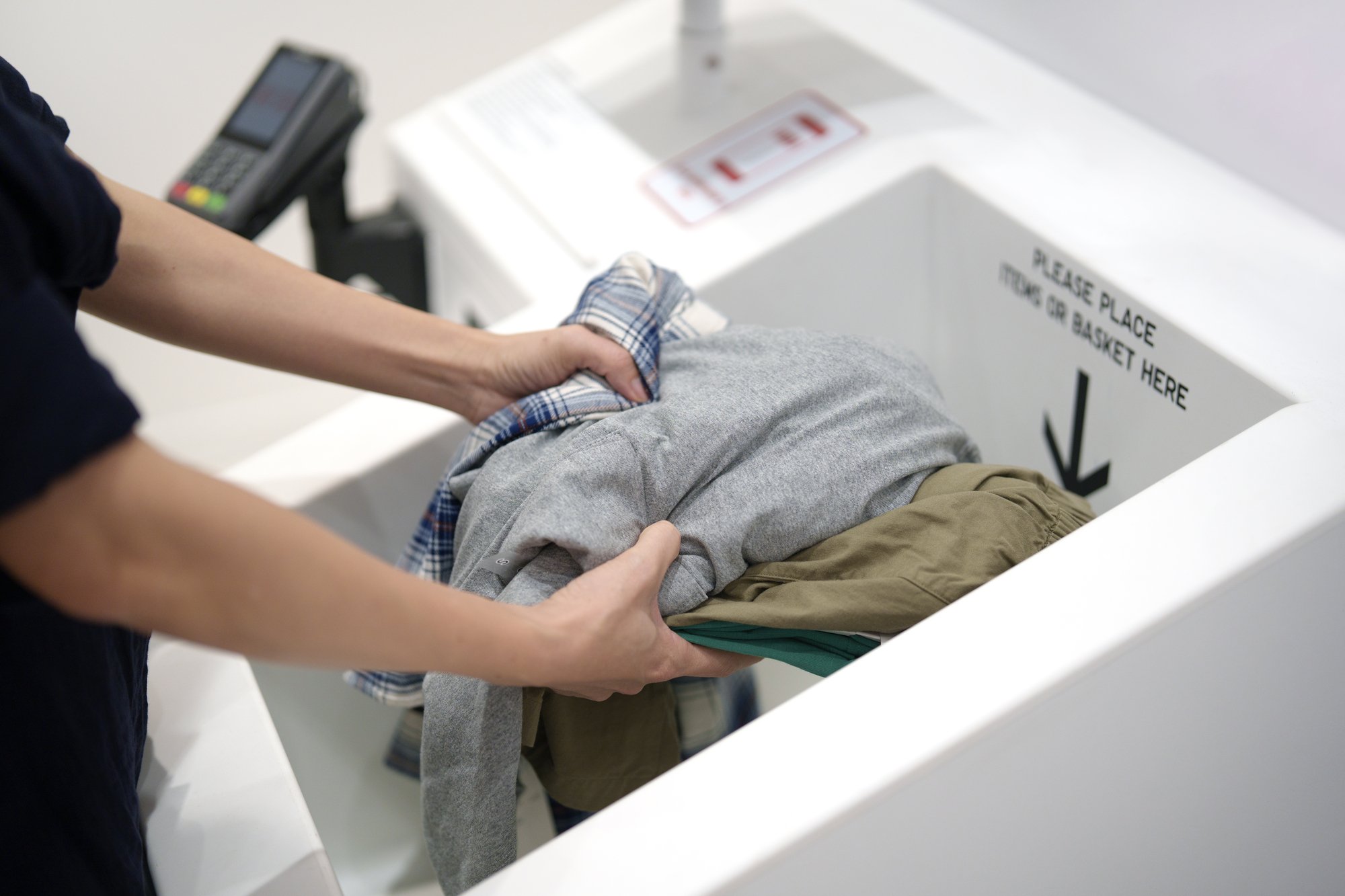
Some retailers have leaned into self-checkout in recent years, while others have backed away from the technology.
In-store experiences at their best can make consumers' lives easier or more enjoyable, thanks to an experiential atmosphere. Often, technology can be a useful assist here, but it can also serve as a distraction if retailers chase whatever the shiny object of the day is versus investing thoughtfully to meet shoppers' real needs.
These days, generative AI is the word on everyone's lips, and retailers have found a myriad of use cases for the technology across efforts like employee staffing levels and personalized gift finders. Both Target and Walmart have boasted of the technology's usefulness in helping associates handle customer requests in stores, and retailers more broadly are excited about its potential to take over mundane tasks from employees.
It's too early to tell what the eventual impact of generative AI will be across the industry. As with all things, trends in retail tech tend to ebb and flow, sometimes in unexpected ways. Take the QR code, for example, which shot to prominence during the pandemic after being largely ignored for decades. But alongside these innovations, retailers can't lose sight of the more basic elements of the in-store experience, like adequate staffing and inventory levels, engaging merchandising displays, and helpful employees.
The needs of a given sector also might dictate how retailers approach the physical store, whether it's bringing in complementary shop-in-shop partners, opening food concessions, or integrating visualization technology. In this package of articles, we'll share examples of how retailers are thinking about the in-store experience, from payments to experiential retail and sector-specific trends. And as always, we'll have our eyes on how this all changes, too.
Stores are still the most popular channel to shop even as digital sales take on a growing percentage of overall retail sales. Offline retail spend accounts for 77% in 2025 but is expected to drop to 73% by 2028. Fresh food, snacks and confectionery, processed food, and nonalcoholic beverages were the most popular categories for which consumers shop in person.
Stores are still dominant, said Jon Copestake, EY global consumer senior analyst. And they will be in most categories for some time to come. Though AI tools for shopping continue to grow in popularity and e-commerce sales growth outpaces physical, retailers cannot neglect brick and mortar, according to Copestake.
Stores are valuable assets, Copestake told sister publication CX Dive. If you were to consider cutting or eliminating store footprints because of the rise of online and the rise of AI buying, etc., then you may be missing a significant trick.
The EY AI Sentiment Index, which surveyed 15,000 consumers globally, found that 3 in 5 consumers already use AI to shop. However, only a small portion will trust AI to make that purchase for them, Copestake said. The grand majority—94%—of consumers make purchase decisions in a store after browsing across channels.
For that reason, retailers ought to rethink how consumers experience stores and what they want out of them. Stores are really valuable for product discovery, Copestake said. They are really valuable for understanding promotions, offers, and new product launches, which you don't necessarily get through AI curation.
Retailers are also beginning to introduce fresh in-store experiences and services. Stores as spaces can be reimagined for lots of things, Copestake said. So in apparel and luxury, we're seeing more rental services, resale services, and repair services creep into stores. Providing services in-store can diversify revenue streams and drive increased foot traffic and customer loyalty, according to EY. Dick's Sporting Goods, for example, is expanding its experiential House of Sport format, which offers immersive in-store experiences through features like climbing walls and simulated driving ranges. Executives say visitors to those locations stay longer and spend more than the typical Dick's shopper.