
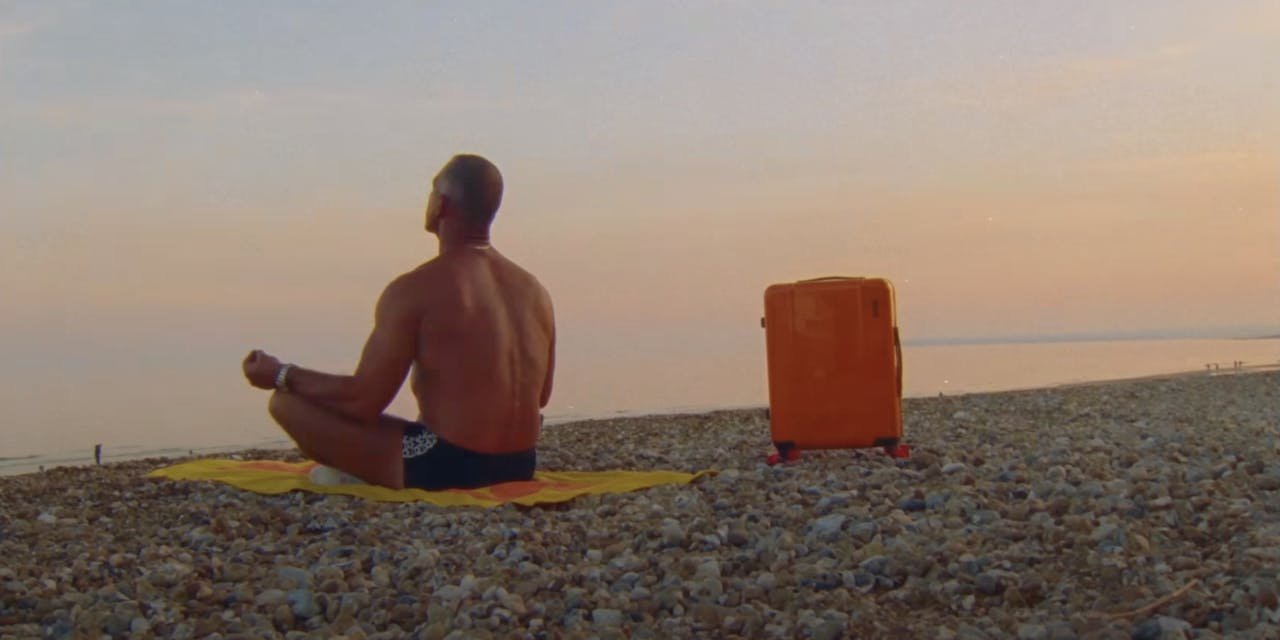
From travel to beverages, brands are working hard to tell evocative stories that connect with their audiences. Marcus Foley of Tommy explains how to do vibe culture well.
Travel-case company Floyd brings vibes with its evocative aesthetic, explains Foley. Product of the aesthetic focus of social media, vibe culture has bubbled away for the last decade before marketers started to use the term this last year. Originating with Tumblr feeds, Pinterest boards, and Instagram posts that brought together images and playlists that evoked certain ‘vibes’, brands have recently followed suit, building ‘vibe’ into the heart of what they do.
A social, as well as an aesthetic phenomenon, vibe culture focuses more on feeling or mood than specific content. Think atmosphere over detail, and impression before substance. Now, brands across different categories are creating worlds we wish we could live in; from fictitious hotels and members clubs, to 1950s Palm Springs pool parties, each with a unique vibe that helps to emote part of a brand’s story, while enticing customers with a moment of escapism from the humdrum of life.
The brands best at serving up vibe culture develop characters with backstories and content that blurs fiction and reality. The sharpest storytellers layer in culture, music, design, art, talent, sport, and film with the latest cultural trends. For a lesson in vibe culture, world-building, and ITK humour, we could all take a leaf out of The Rochambeau Club’s playbook, an uber-exclusive members’ tennis club on the French Riviera. Billed as ‘The Home of Racquet Rosé’, The Rochambeau Club doesn’t actually exist - but it creates a certain vibe that carries over to the wine brand it’s been created to promote.
With its irreverent humor and general misbehavior, the small independent winery is building a loyal community following with marketing strategies that invite people to join in and play their part. This mythic club exudes the aesthetic of the South of France in the 1980s, exaggerated with carefully crafted content. Everything about it invites in audiences and creates the emotional responses fundamental to good storytelling and memorability.
Vibe culture isn’t shallow. Done well, it involves emotionally intelligent branding and strategy aimed at creating enduring emotional experiences that live beyond reactive online content and algorithmic changes. This is the new dynamic realm of contemporary storytelling, and it champions the creation of robust worlds primed for multiple platforms.
What’s exciting about vibe culture is that with the creative tools we now have access to, ‘story worlds’ are no longer the preserve of fashion, entertainment, and musical artists. A unique vibe gives you the foundation to be adventurous with your content and create differentiation in your category. Because when people see something that doesn’t quite belong or feels different, their brains will pause to make sense of it.
If an image feels different, or a bit unruly, this visual distinctiveness can be impossible to ignore. The magic of contrast and curiosity comes into play when you combine something familiar with something offbeat, a strategy that Pasqua Wine perfected with its distinctive branding. The right content will beg for a double take, requiring your cognitive energy to process it, ultimately increasing its memorability.
Sun protection brand Vacation has done a great job of cultivating a vibe. The brand takes customers back to the 1980s, with a mix of nostalgia and the exclusivity of the decade that brought us Studio 54. Similarly, Turkish luxury hotel Lujo and high-end luggage company Floyd have both done wonders at telling stories that evoke the rich romance of travel. This is marketing delivered in a unique, memorable way that creates a brand universe, complete with a mood, that audiences yearn for.
So, how do you create a vibe for your brand? Start with the foundations of your story and how you show up in the world. Establishing lore is a crucial foundation for vibe culture. Lore is your opportunity for myth creation and backstory – the foundations of world-building. Remember it’s your world, your rules. Everything is possible and nothing is finite, so don’t let the conventions of your category hold you back.
Think of creating vibe like writing a great screenplay; create a world and consider everything: every story, every potential juxtaposition, every piece of content as an embodiment of this world. Then, tie it together tightly. We must fire across the senses with distinctive brand assets that nudge and influence behavior. Consider category positioning, clarity on what it stands for, the personality you project, and the emotional connectors you create.
Most importantly, be consistent. It’s important to invest in the emotional aspects of our brands. Consider what you want audiences to feel. This can help build bonds and affinities through emotional engagement. Successful brands today are less concerned with convenience than long-term commitment, lore, and transporting audiences somewhere unforgettable.