
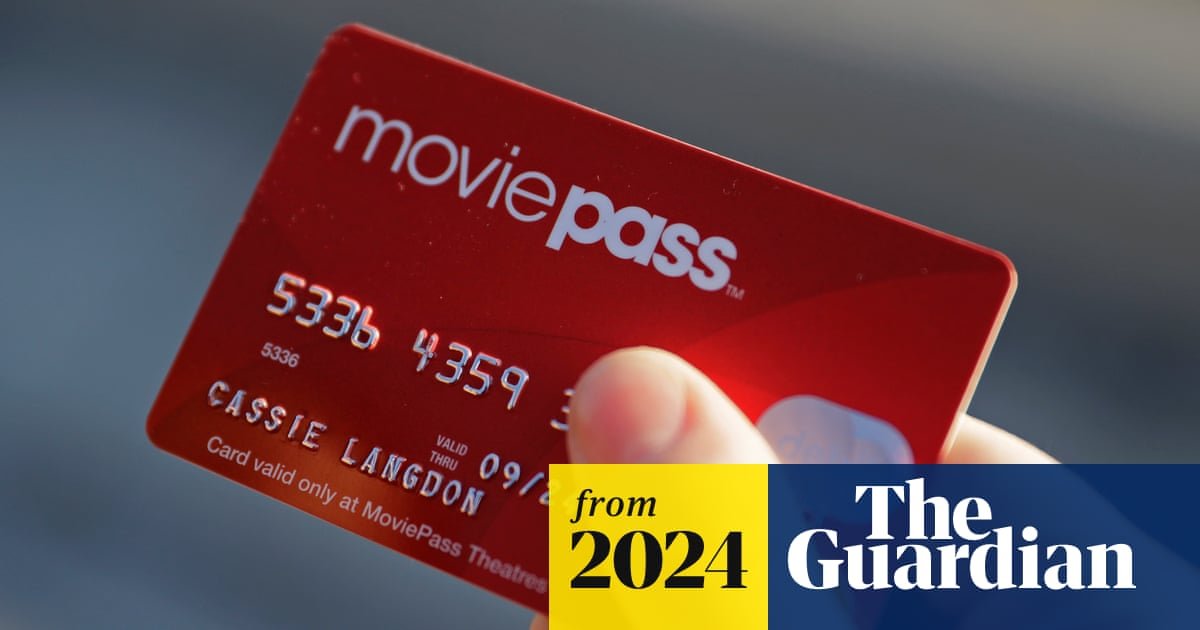
A new documentary looks back at the discount moviegoing subscription model that went from industry disruptor to joke.
Cinephiles talk about the “MoviePass summer” with the same wistful nostalgia as hippies recalling the Summer of Love, like it’s an impossible dream so utopian that it might have been a collective hallucination.
In August 2017, the startup MoviePass announced a radical new pricing structure offering one admission a day for a paltry $9.95 each month. Moviegoers immediately realized that the service would pay for itself within a single use, and attendance soared, particularly in metropolitan markets with robust repertory scenes.
Glitches proliferated, and some showtimes simply vanished from availability, to the point that anyone with a brain surmised that management was frantically trying to jam a cork in the sinking ship. In 2019, an email blast informed subscribers that MoviePass would cease operations imminently, sealing the final failure of a company that now seems success-proof in its very premise.
The new HBO Max documentary, MoviePass, MovieCrash, recounts this odd case study in modern entertainment economics, highlighting the recklessness of private equity. The director Muta’Ali Muhammad largely missed the boat on the service’s heyday, learning about it as the company sank deeper into its chaos period.
Muhammad realized that the terms and conditions had changed so many times, she didn’t know what to tell a friend asking about the service. The rise and fall plays like The Social Network, complicated by a sour angle of racial bias. The original founders, Stacy Spikes and Hamet Watt, were ousted following a sale to Helios and Matheson.
The documentary positions “Ted & Mitch” versus “Stacy & Hamet” in a battle for the future of MoviePass. Where the original founders saw a labor of love, the new management sought a get-rich-quick scheme. As the business deteriorated, Lowe and Farnsworth fit the scapegoat role, opening themselves up to fraud investigations for depriving customers of the service they had paid to access.
The documentary concludes with a hopeful note that a Black entrepreneur might get a fairer shake this time around, illustrating the biases we hold about different demographics in the business world. Ultimately, Muhammad sees this case study as emblematic of the dynamics at play in the startup realm.