
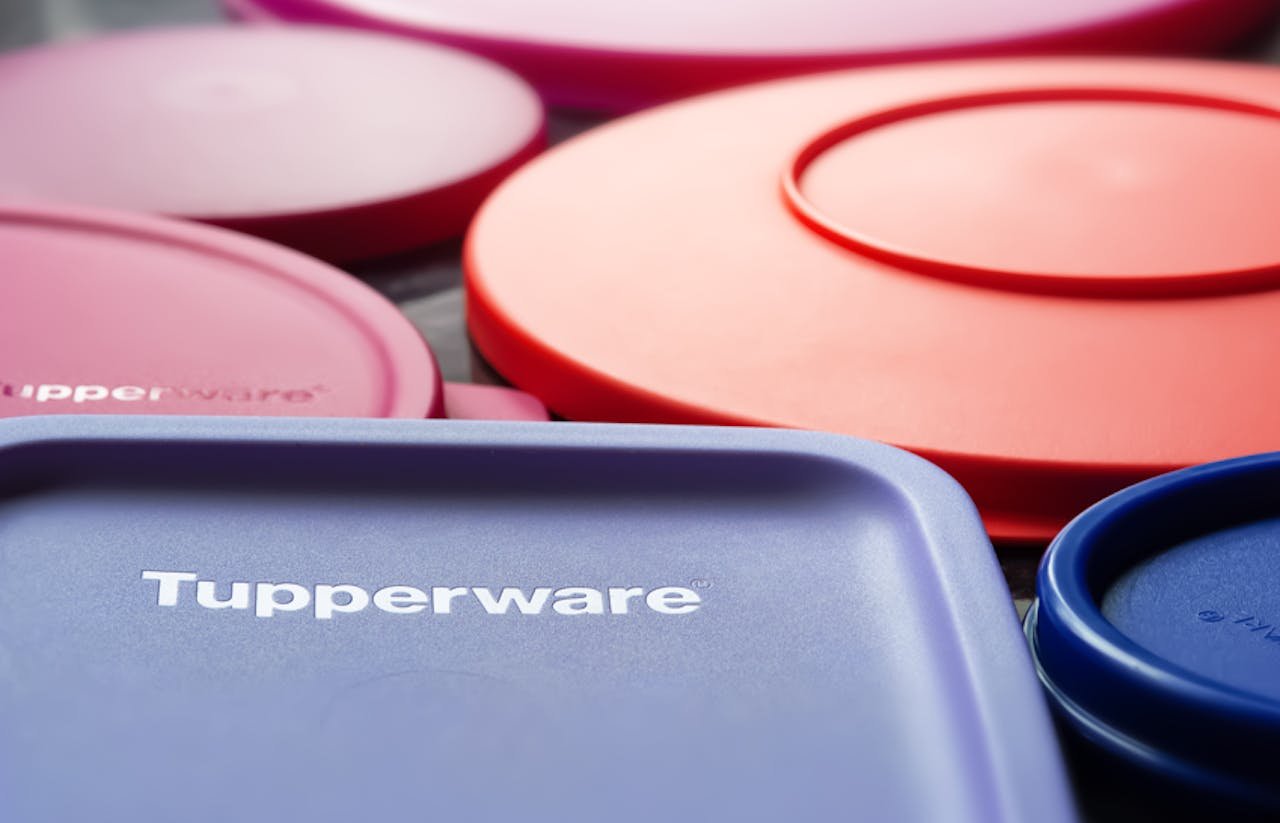
Tupperware faces a turbulent chapter with its recent Chapter 11 filing, as shifting consumer habits and fierce competition challenge the once-revolutionary brand. However, with its deep-seated brand equity and a potential pivot towards digital innovation and sustainability, experts believe there may be a recipe for revival. Tupperware filed for Chapter 11 bankruptcy on Tuesday, and after struggling to maintain relevance due to changing consumer habits and rising competition, the company warned of significant liquidity concerns. Tupperware now carries $812 million in debt and has experienced several consecutive quarters of declining sales, leading to questions about its market dominance and future prospects.
Founded in 1946, Tupperware became a cultural symbol of postwar American life, popularized through direct-to-consumer sales parties. However, as ecommerce grew, Tupperware’s sales model lost relevance, with only 9% of consumers currently engaging in in-home parties compared to over 25% in the early 2000s. In an effort to modernize, Tupperware opened an Amazon storefront in June 2022, but its website still provides a lackluster user experience. Moreover, competition from brands like Rubbermaid and Ziploc, along with the growing demand for eco-friendly products, further complicated Tupperware’s position. Despite significant challenges, some experts believe Tupperware can turn things around by embracing digital-first strategies and eco-friendly innovations.